
Posted At: Mar 17, 2026 - 862 Views
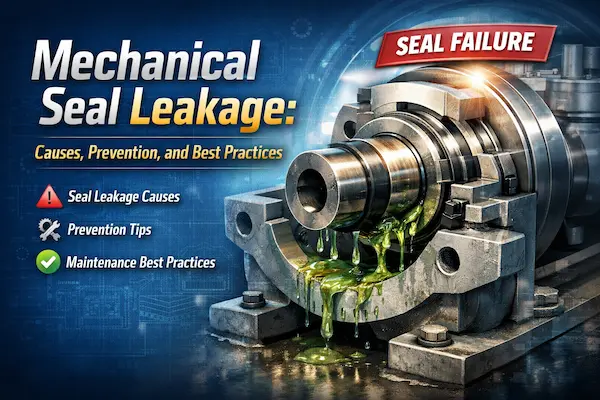
Mechanical Seal Leakage: Causes, Prevention, and Best Practices
Mechanical seals are critical components in pumps and rotating equipment, designed to prevent fluid leakage and ensure efficient operation. However, mechanical seal leakage is one of the most common issues faced in industrial systems.
Understanding the mechanical seal leakage causes, how seals function, and the best maintenance practices can significantly reduce downtime and extend equipment life.
What Is Mechanical Seal Leakage?
Mechanical seal leakage occurs when fluid escapes through the sealing interface between rotating and stationary parts of a pump. While a small amount of controlled leakage is normal for lubrication, excessive leakage indicates seal failure or improper operation.
How Mechanical Seals Work
Before diving into the causes, it’s important to understand how mechanical seals work.
A mechanical seal consists of two main components:
- Rotary seal face (attached to the shaft)
- Stationary seal face (attached to the pump housing)
These faces are pressed together using spring force and hydraulic pressure, creating a thin fluid film that:
- Reduces friction
- Prevents leakage
- Maintains sealing efficiency
Supporting components include:
- O-rings or elastomers
- Springs
- Metal hardware
When properly installed and maintained, mechanical seals provide long-lasting, leak-free performance.
Top Mechanical Seal Leakage Causes
Identifying the root cause is key to preventing recurring issues. Below are the most common mechanical seal leakage causes:
1. Improper Installation
Incorrect installation is one of the leading reasons for pump seal leakage.
Common mistakes include:
- Misalignment of seal faces
- Incorrect compression of springs
- Damage during handling
👉 Even minor installation errors can lead to immediate or early seal failure.
2. Dry Running
Mechanical seals rely on a fluid film for lubrication. Running a pump without fluid causes:
- Overheating
- Rapid wear of seal faces
- Cracking or distortion
This is a major cause of seal leakage and must be avoided at all costs.
3. Shaft Misalignment or Vibration
Excessive vibration or misalignment can:
- Disturb seal face contact
- Cause uneven wear
- Lead to leakage over time
4. Contamination
Foreign particles such as dirt, sand, or debris can:
- Damage seal faces
- Scratch surfaces
- Break the sealing film
This often results in gradual seal failure.
5. Incorrect Seal Selection
Using the wrong seal type for the application can cause early failure.
Factors to consider:
- Temperature
- Pressure
- Chemical compatibility
- Shaft speed
6. Excessive Pressure or Temperature
Operating beyond design limits can:
- Distort seal components
- Break lubrication film
- Cause thermal expansion issues
7. Wear and Tear Over Time
Like all mechanical components, seals degrade with use. Aging leads to:
- Loss of elasticity
- Reduced sealing efficiency
- Increased leakage
Best Practices to Prevent Mechanical Seal Leakage
Preventing leakage is always more cost-effective than repairing damage. Here are proven strategies:
Proper Installation
- Follow manufacturer guidelines
- Use correct tools
- Ensure precise alignment
Avoid Dry Running
- Always prime the pump before operation
- Use protection systems like dry-run sensors
Regular Maintenance
One of the best ways to maintain a seal is through routine inspection:
- Check for wear
- Monitor leakage levels
- Replace damaged components early
Use the Right Seal
Choose seals based on:
- Fluid type
- Operating conditions
- Industry requirements
Maintain Clean Operating Conditions
Use filtration systems
Prevent entry of contaminants
Monitor Operating Parameters
Keep pressure and temperature within limits
Avoid sudden fluctuations
Ensure Proper Alignment
Regularly check shaft alignment
Minimize vibration
Signs of Mechanical Seal Failure
Early detection can save significant costs. Watch for:
- Visible fluid leakage
- Unusual noise or vibration
- Increased temperature near seal area
- Reduced pump efficiency
Why Addressing Seal Leakage Is Important
Ignoring pump seal leakage can lead to:
- Equipment damage
- Product loss
- Environmental hazards
- Increased maintenance costs
Timely action ensures operational reliability and safety.
Conclusion
Understanding mechanical seal leakage causes and implementing preventive measures can drastically improve equipment performance and lifespan.
By focusing on proper installation, regular maintenance, and correct seal selection, industries can minimize seal leakage, prevent costly seal failure, and ensure smooth pump operation.
Frequently Asked Questions
1. What is the most common cause of mechanical seal leakage?
The most common cause is improper installation, followed by dry running and misalignment.
2. How can I prevent pump seal leakage?
Regular maintenance, correct installation, and avoiding dry running are the most effective methods.
3. What is the best way to maintain a seal?
Routine inspection, proper lubrication, and operating within recommended limits are key maintenance practices.
4. Can mechanical seal leakage be completely eliminated?
A minimal amount of leakage is normal, but excessive leakage can be prevented with proper care.

